
When technology transforms into art
Through clay, the tension between the digital and the physical is materialized, balancing the precision of technology with the warmth of nature.
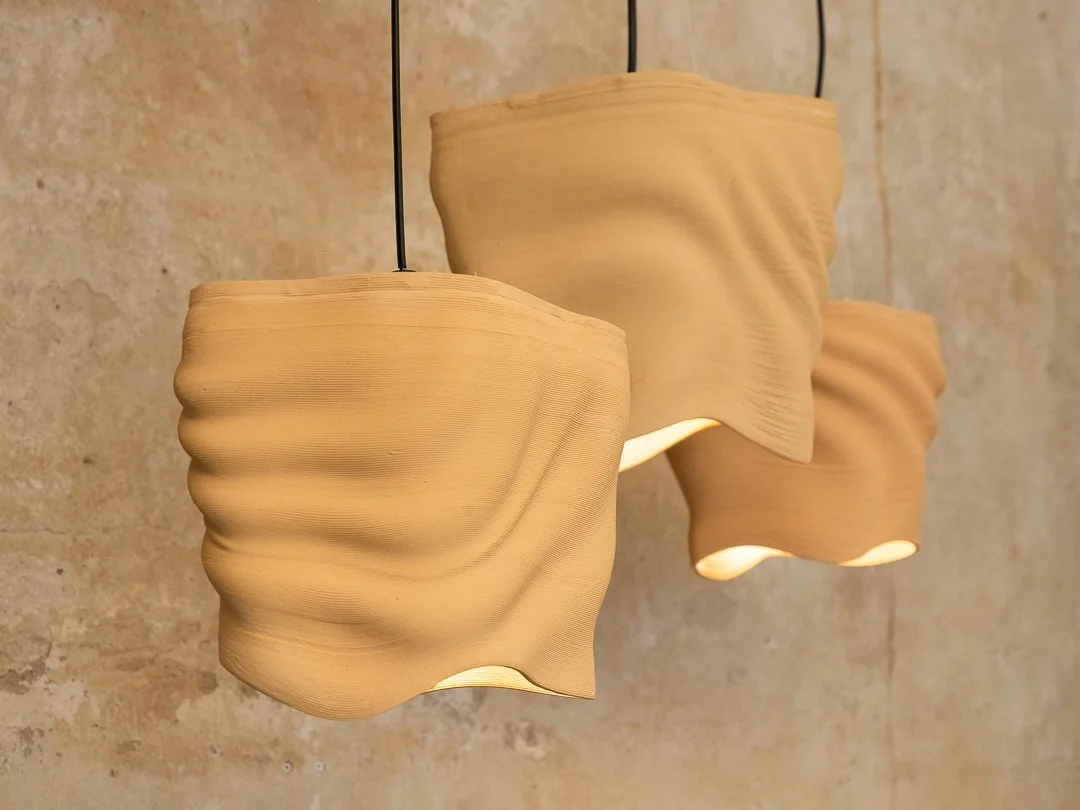
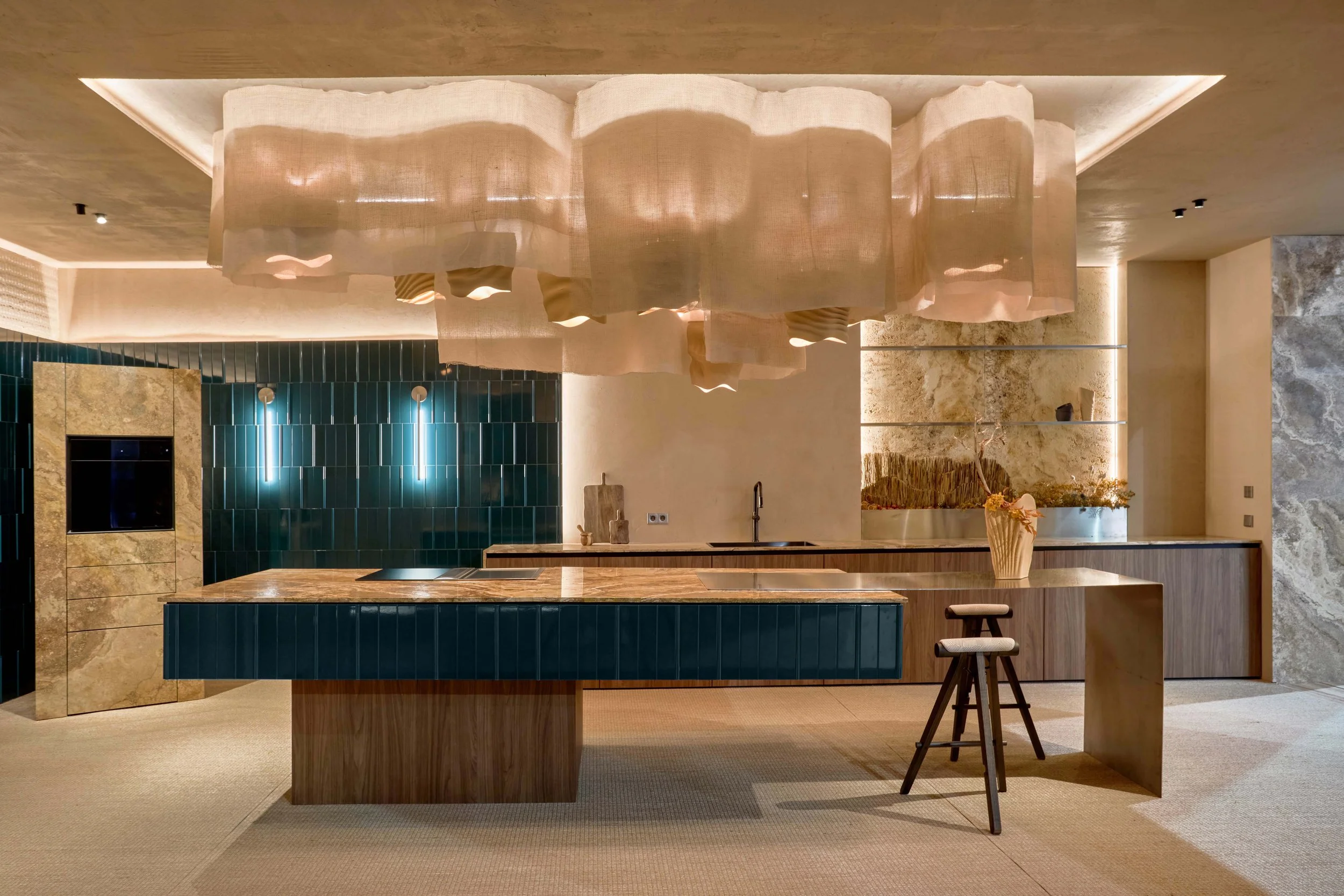
Photo by Adam Garcia
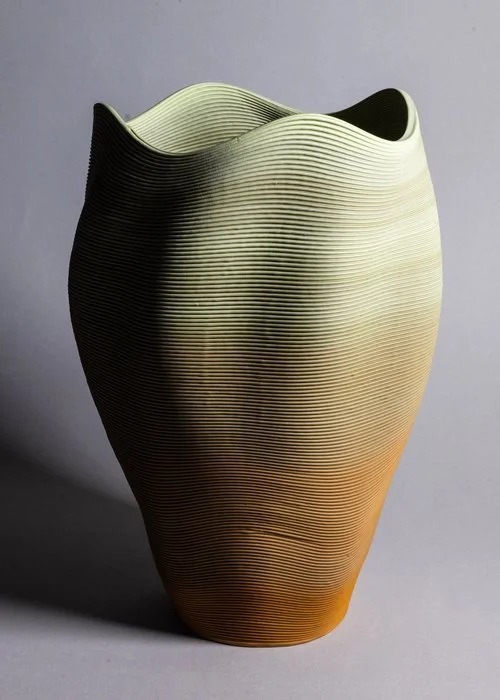
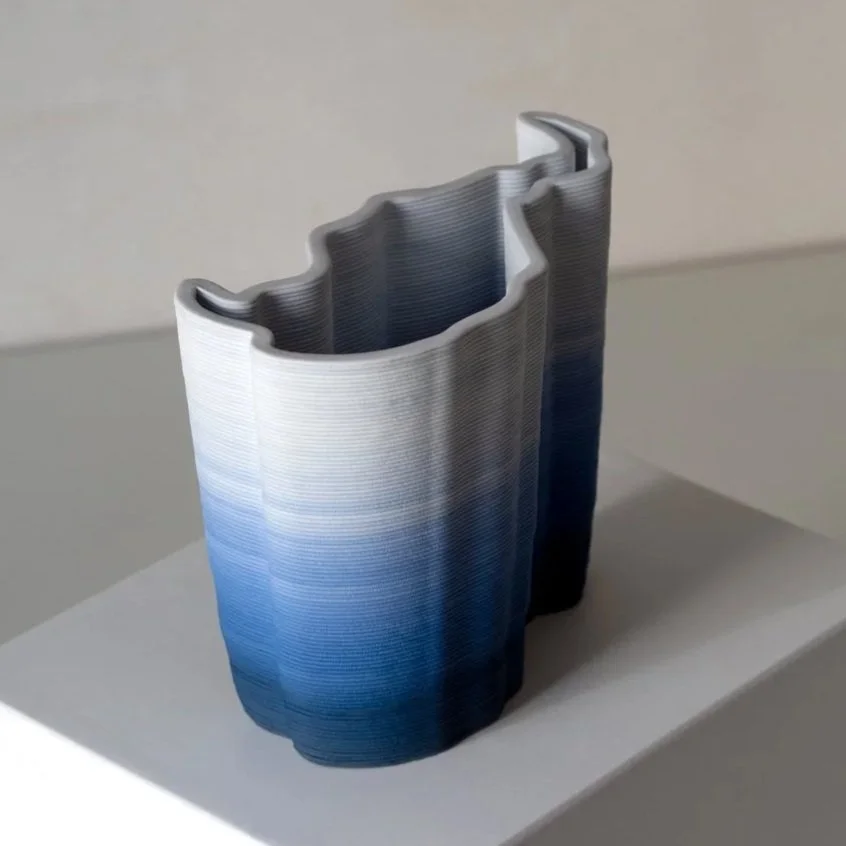
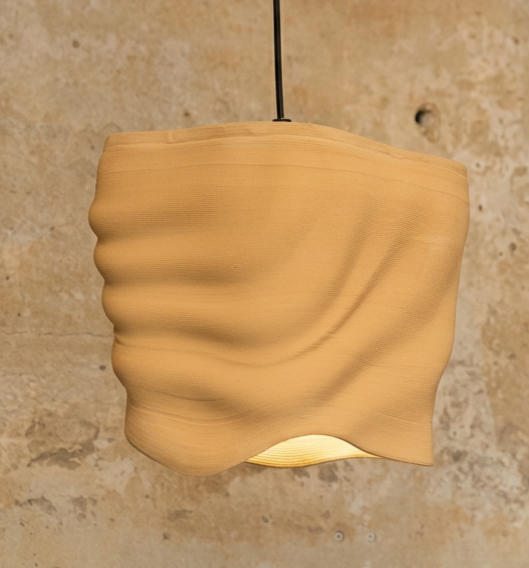
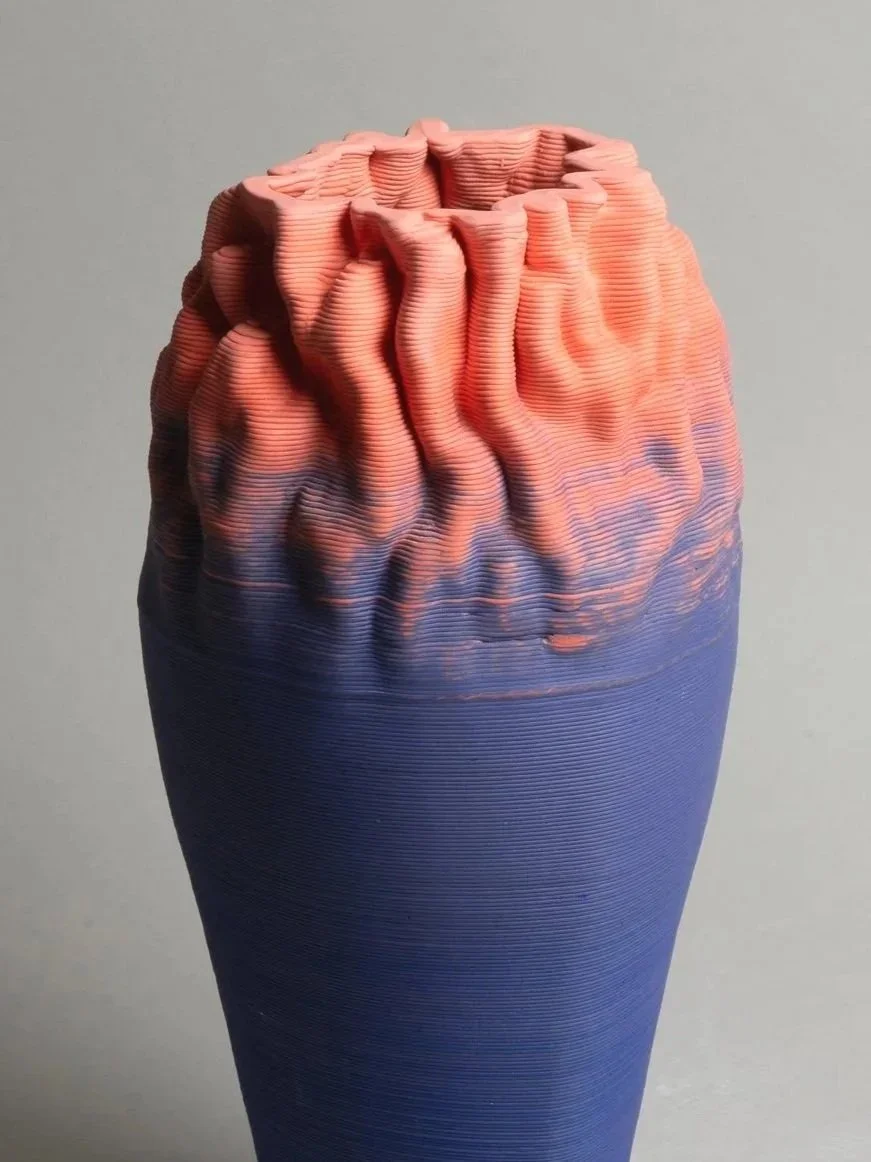
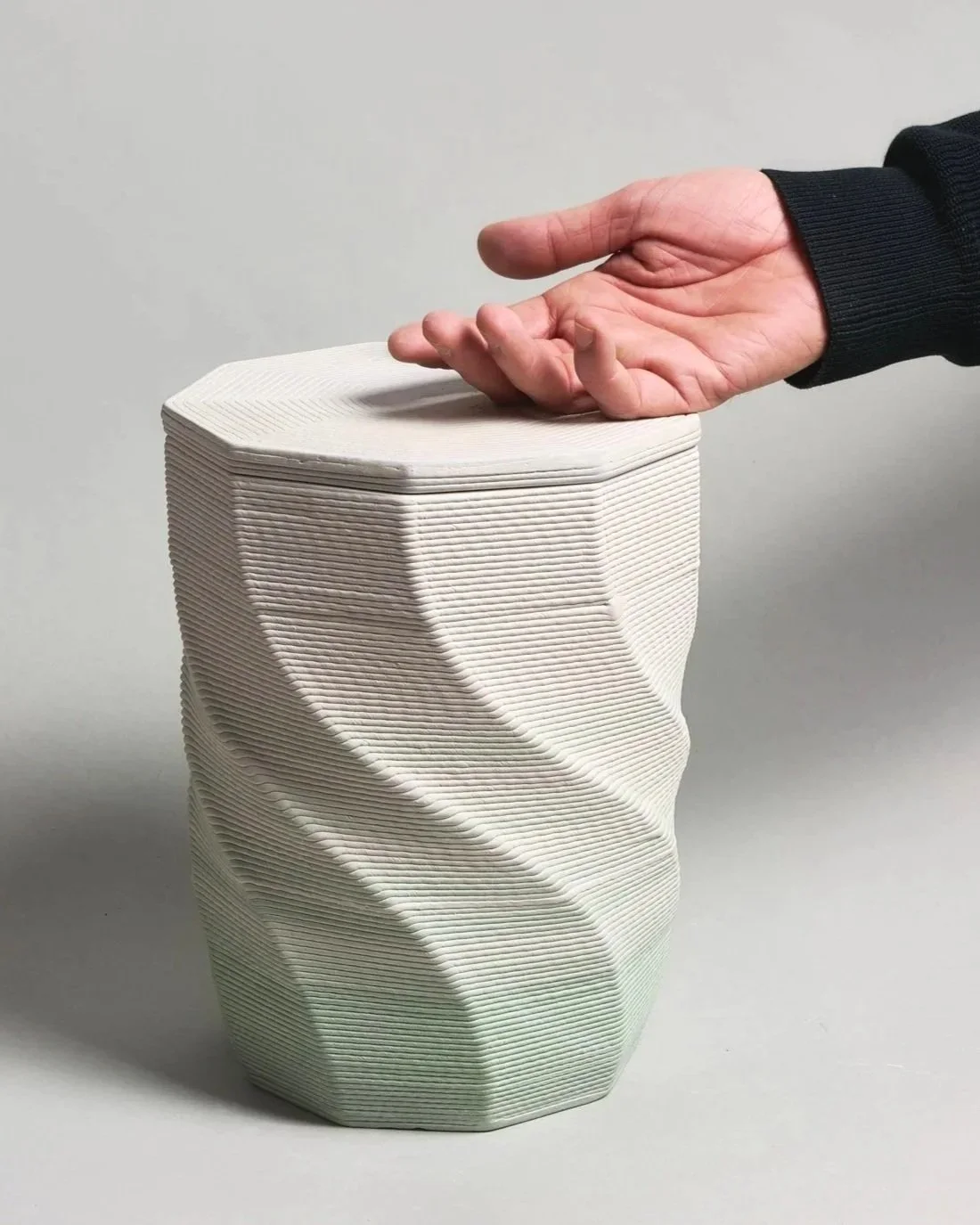
A collection of luminaries and vessels designed and produced for SOSEGA’s exhibition space, in cooperation with Paralela Taller Creativo, for Marbella Design & Art 2026.
A wider language of
ceramic expression
Every layer in the 3D printing process is unique:
a merging point of tradition, precision, and meaning.
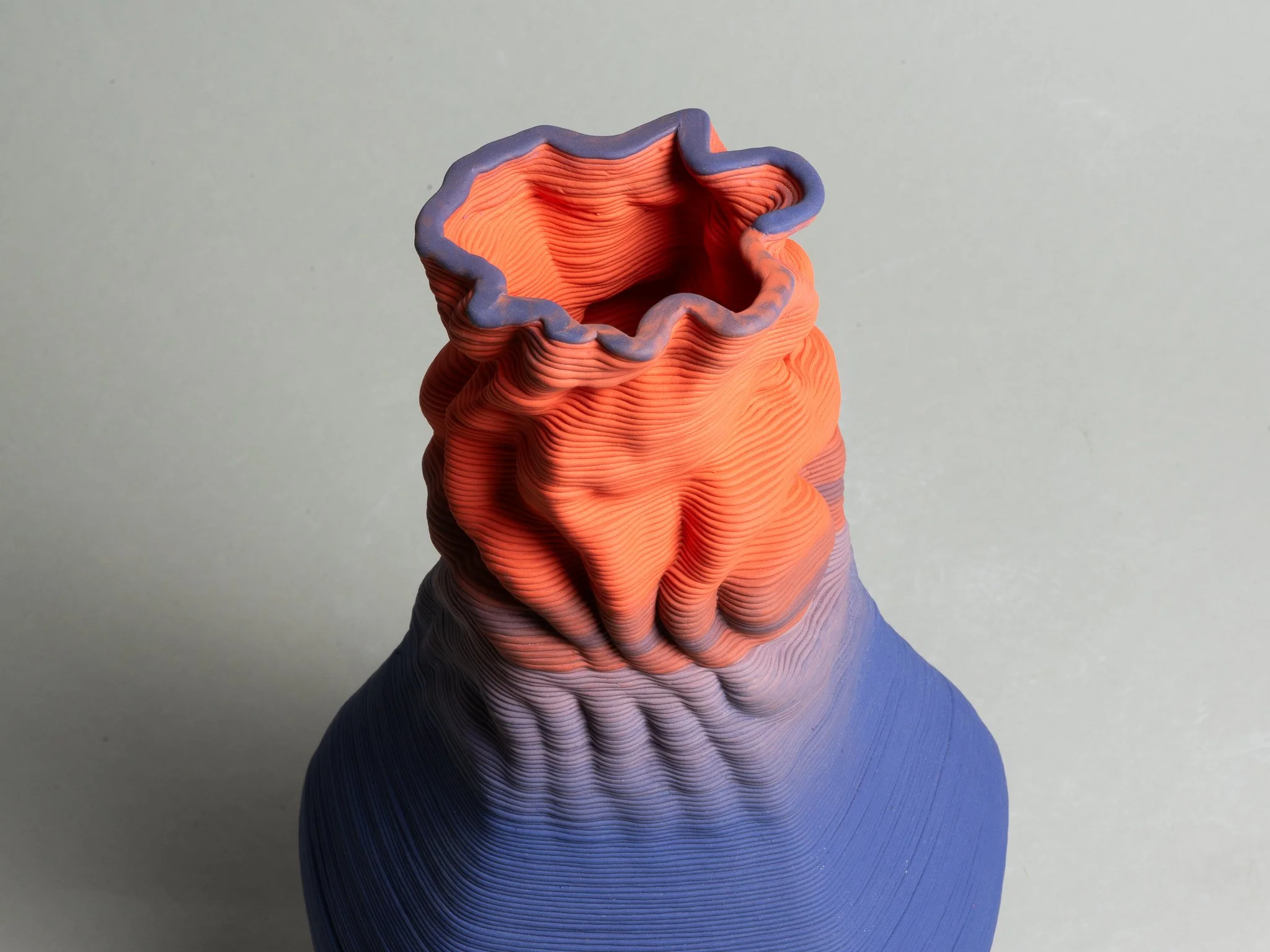
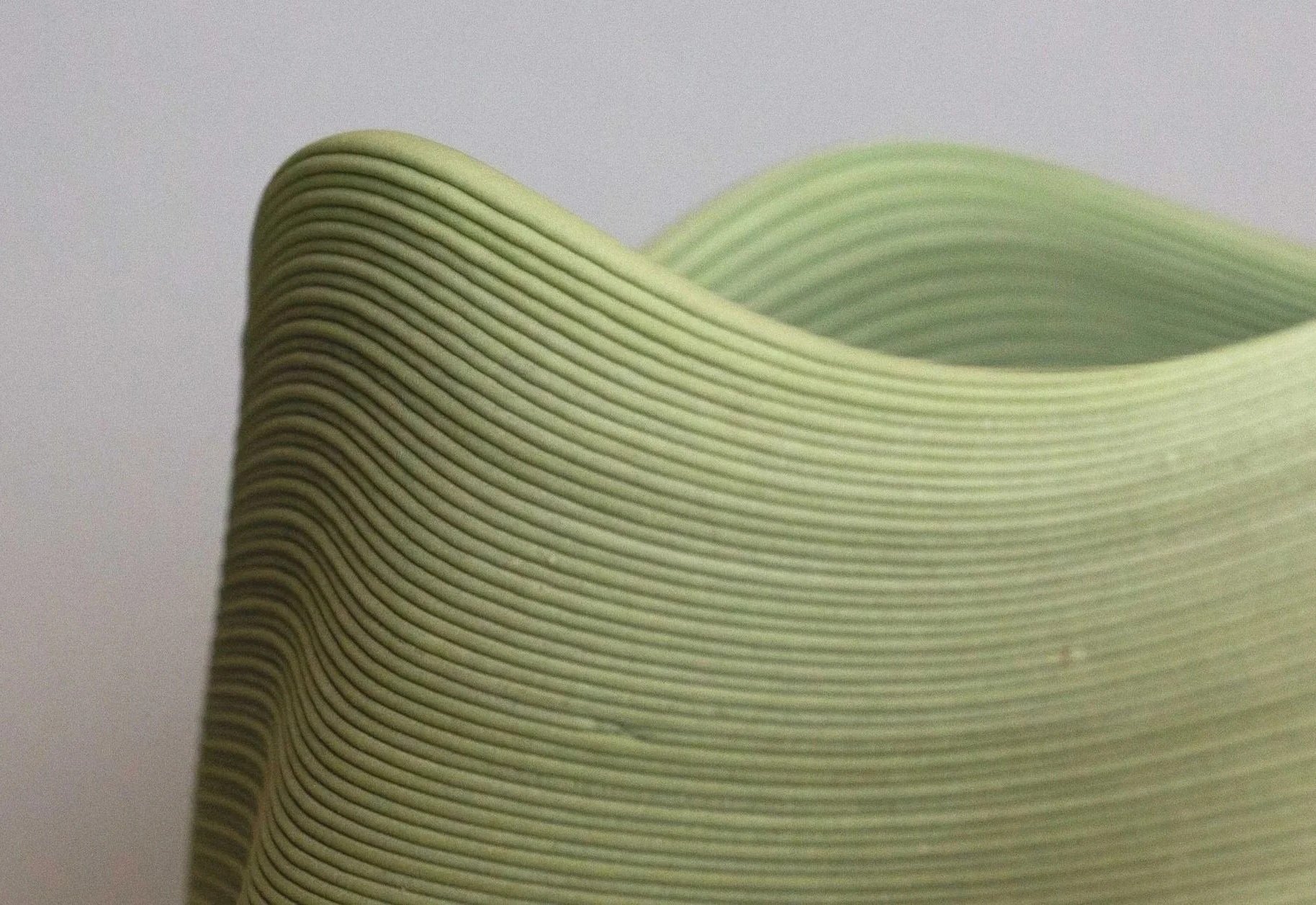
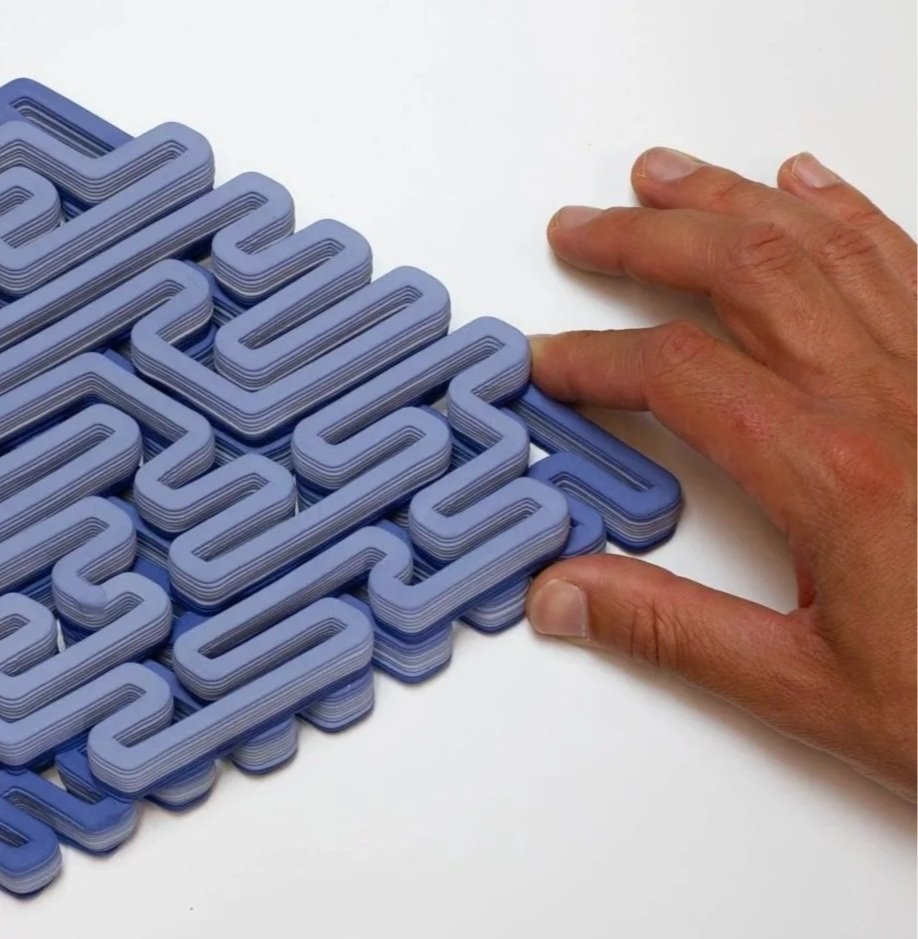
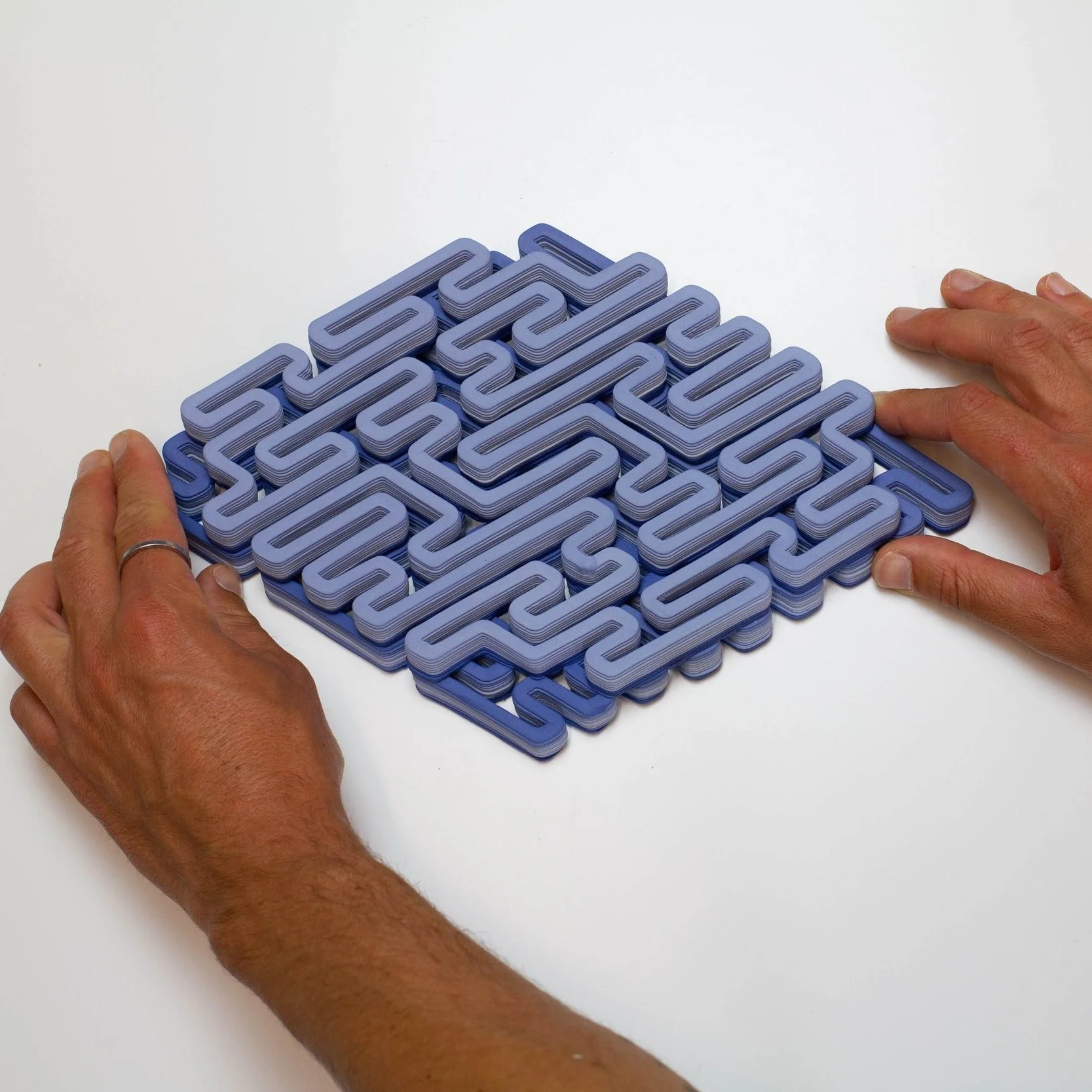
Diverse projects shaped by research, craft and collaboration.
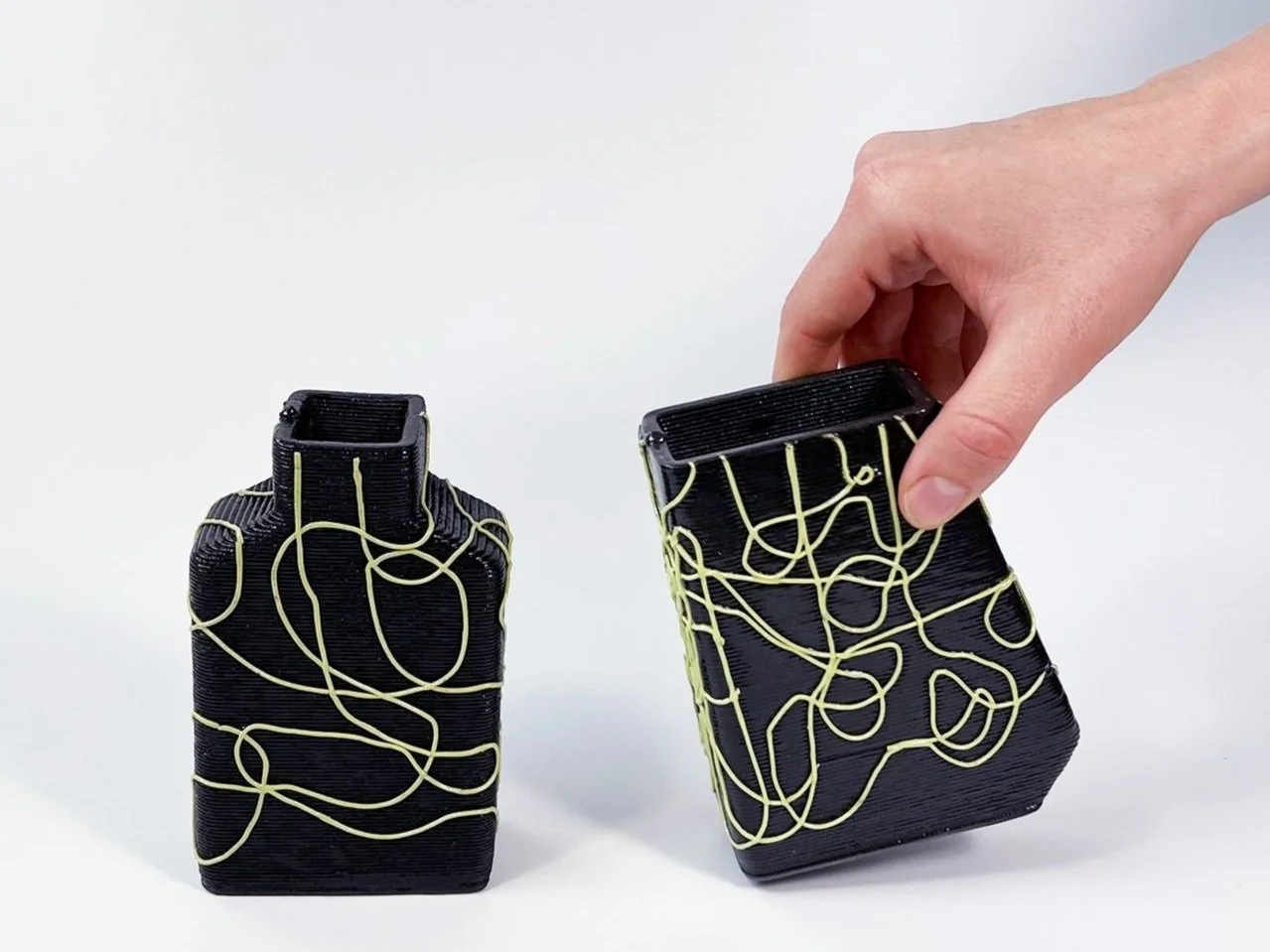
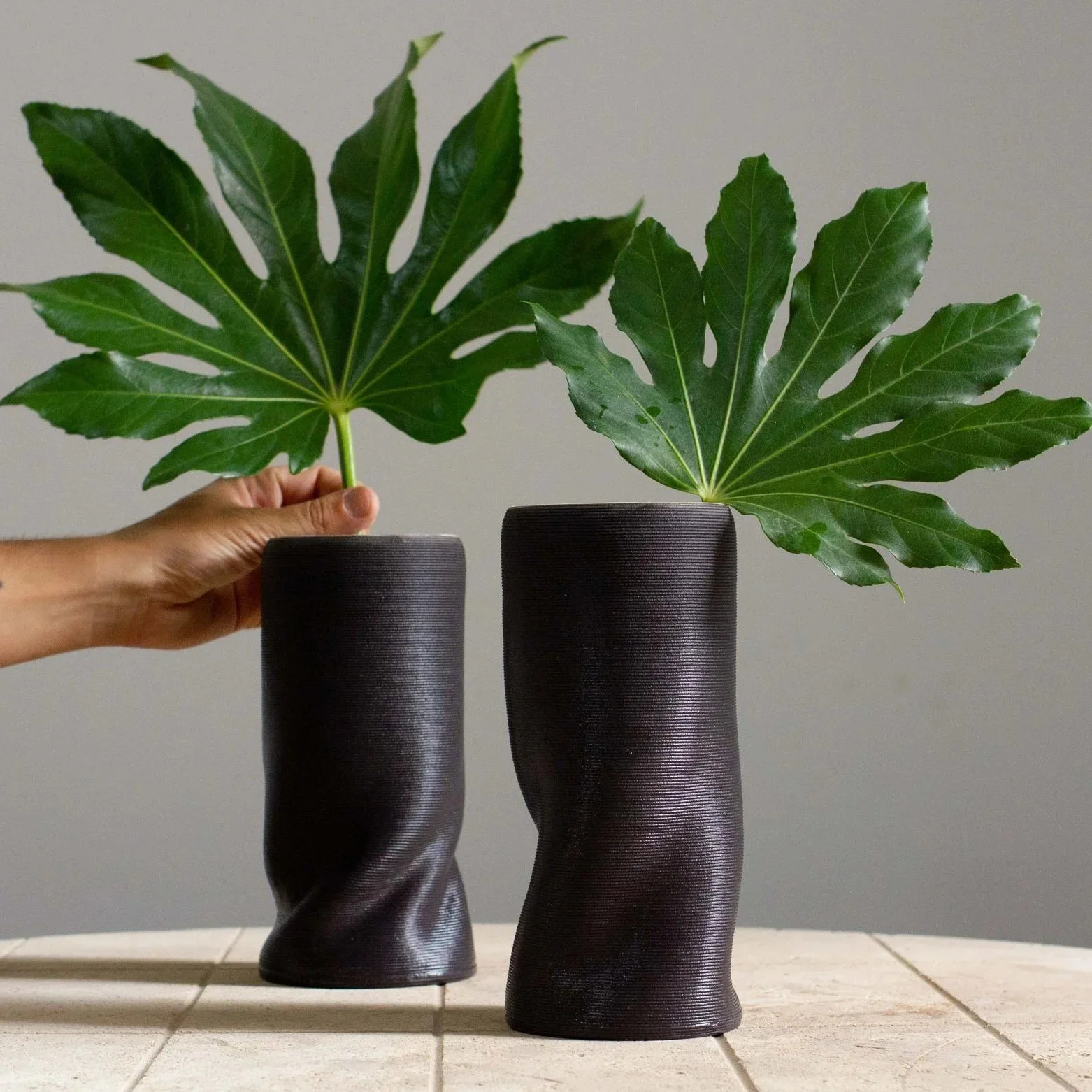
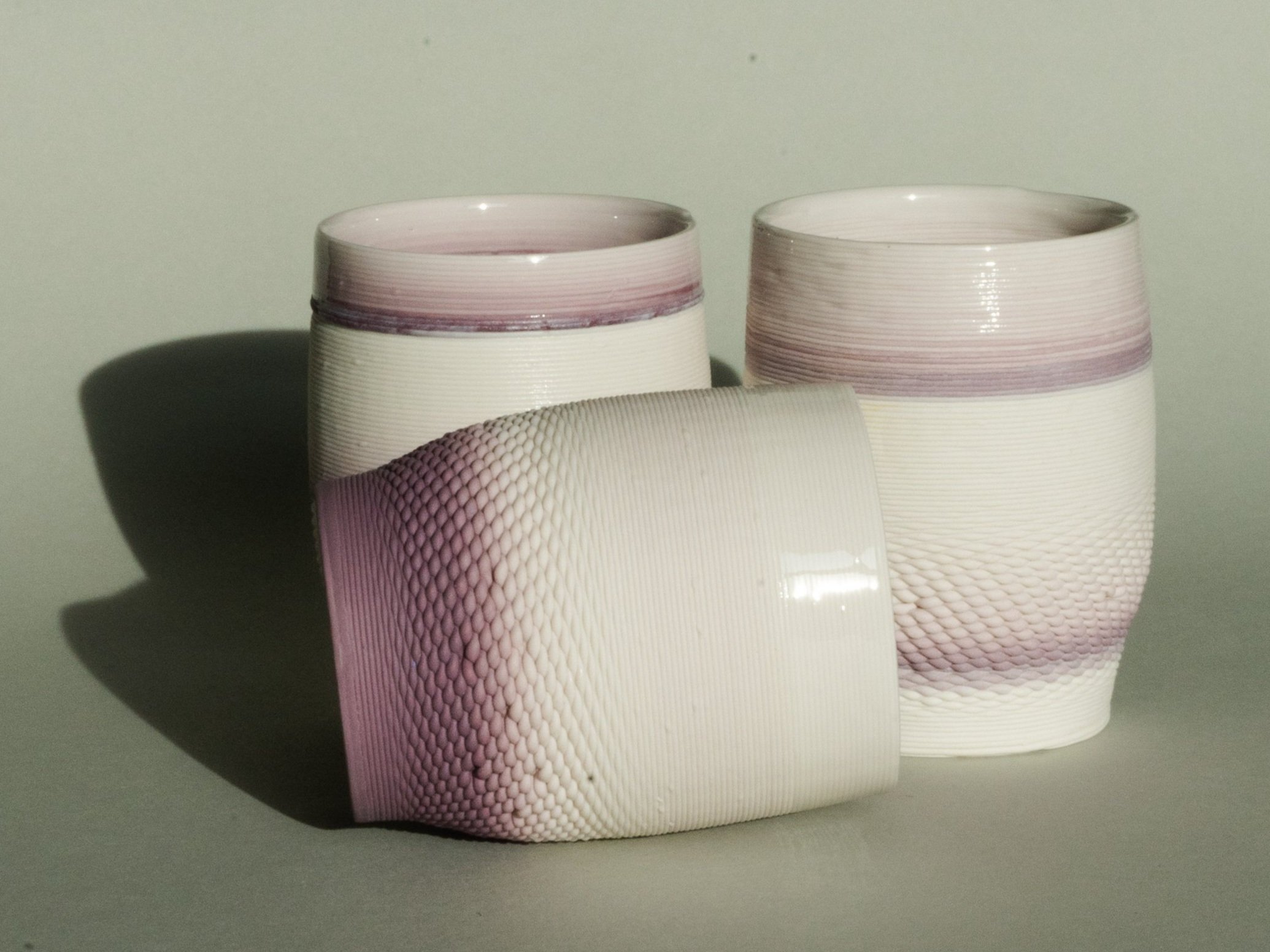
Working with designers and architects to transform complex visions into distinctive ceramic pieces.






Expertise Sharing & Workshops
We offer a wealth of interdisciplinary expertise through hands-on practice, expanding technological literacy in the emerging field of digital ceramics. We provide customized content for designers, architects, and artists looking to integrate innovative tools into their own creative fabric

Let’s create something together.
Whether you are curious about the process or have a clear vision in mind, we look forward to activating synergies that drive us toward new fields of creative impact.
FAQ ( Frequent asked questions )
1. What is 3D clay printing?
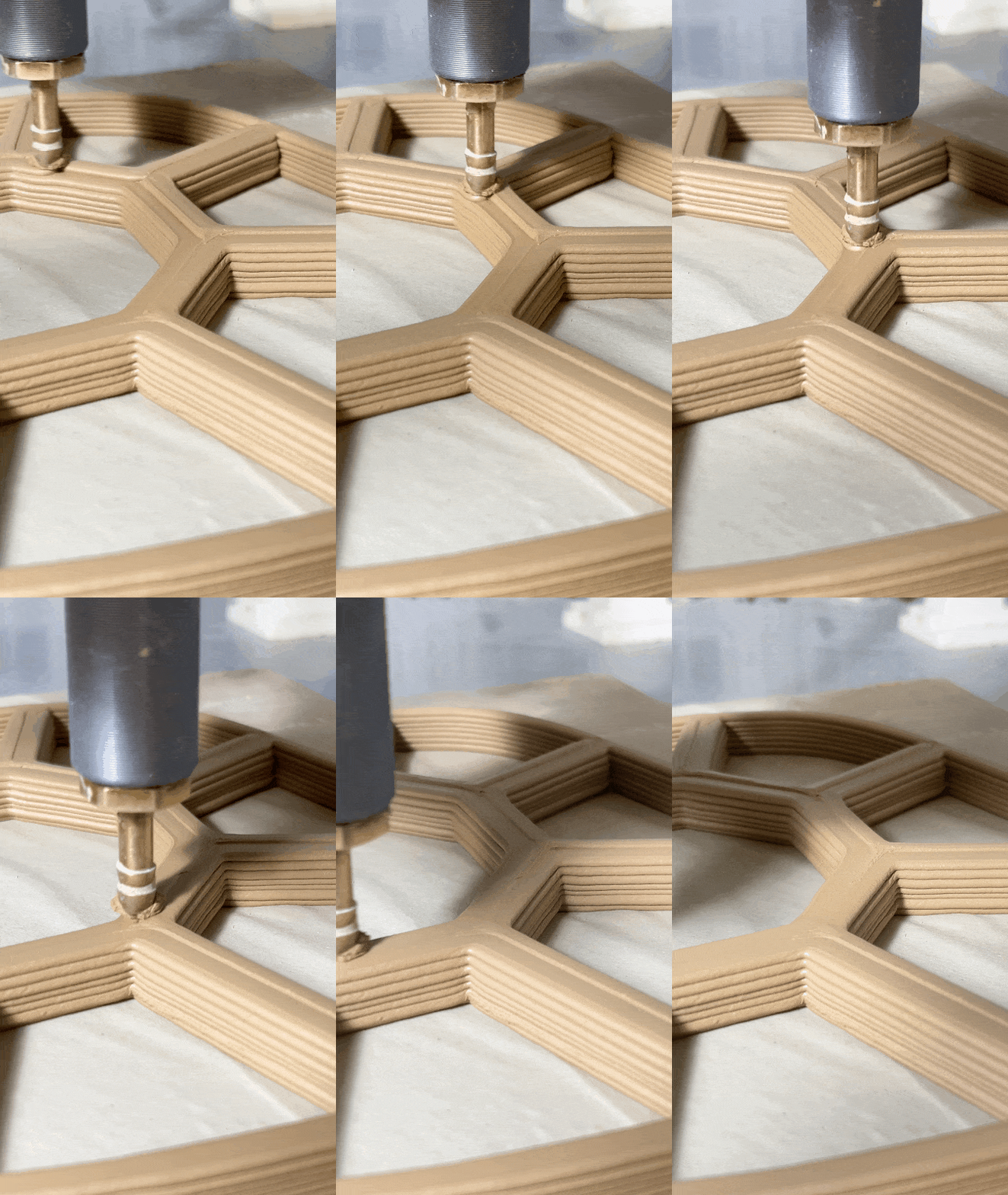
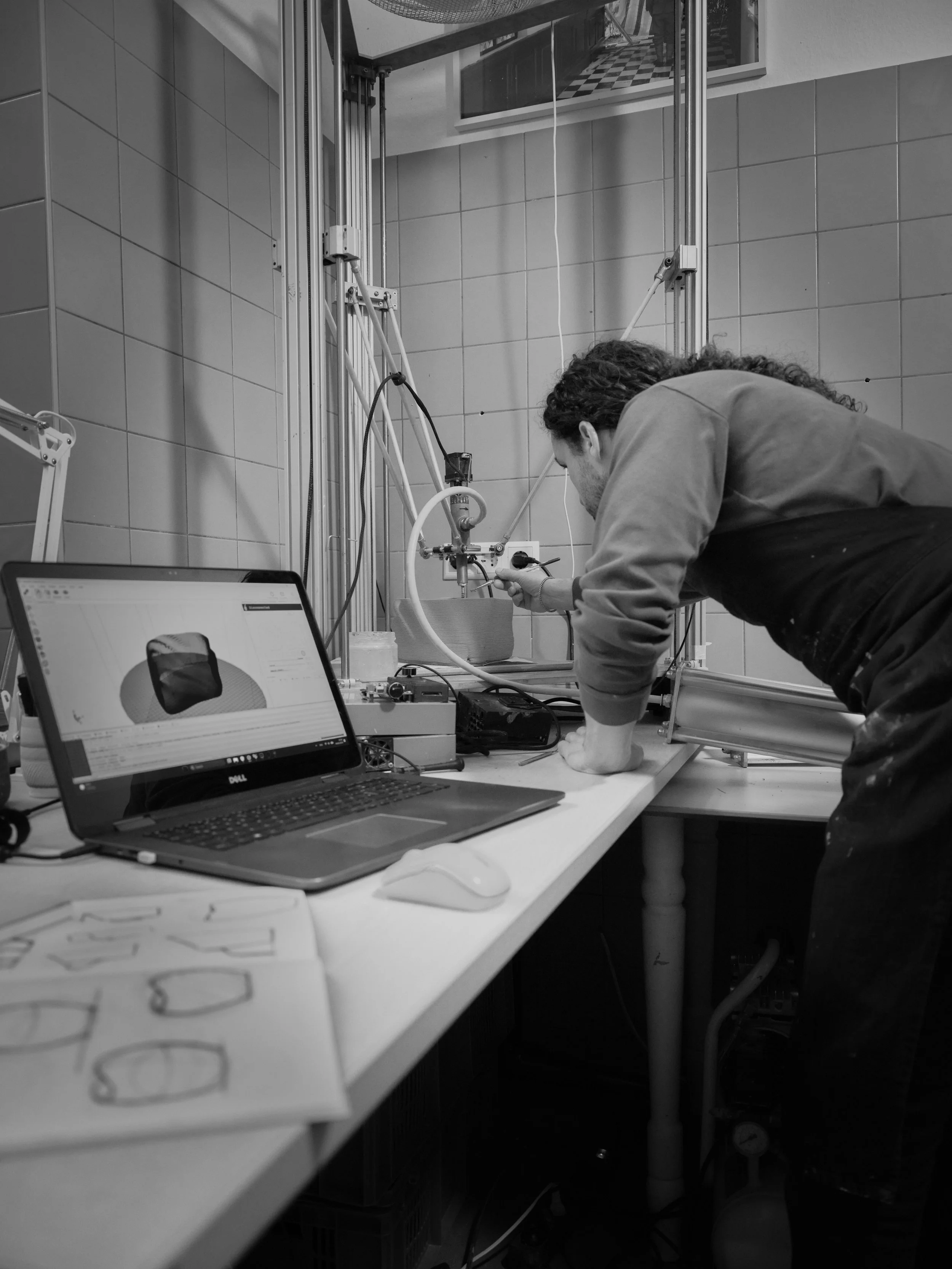
3D clay printing is an additive manufacturing technique that extrudes layers of viscous clay (without filament) to create three-dimensional ceramic pieces. At Layered Ceramics (Berlin), we use pure clay without plastic additives, which allows 100% ceramic pieces after sintering.
2. How does 3D clay printing without filament work?
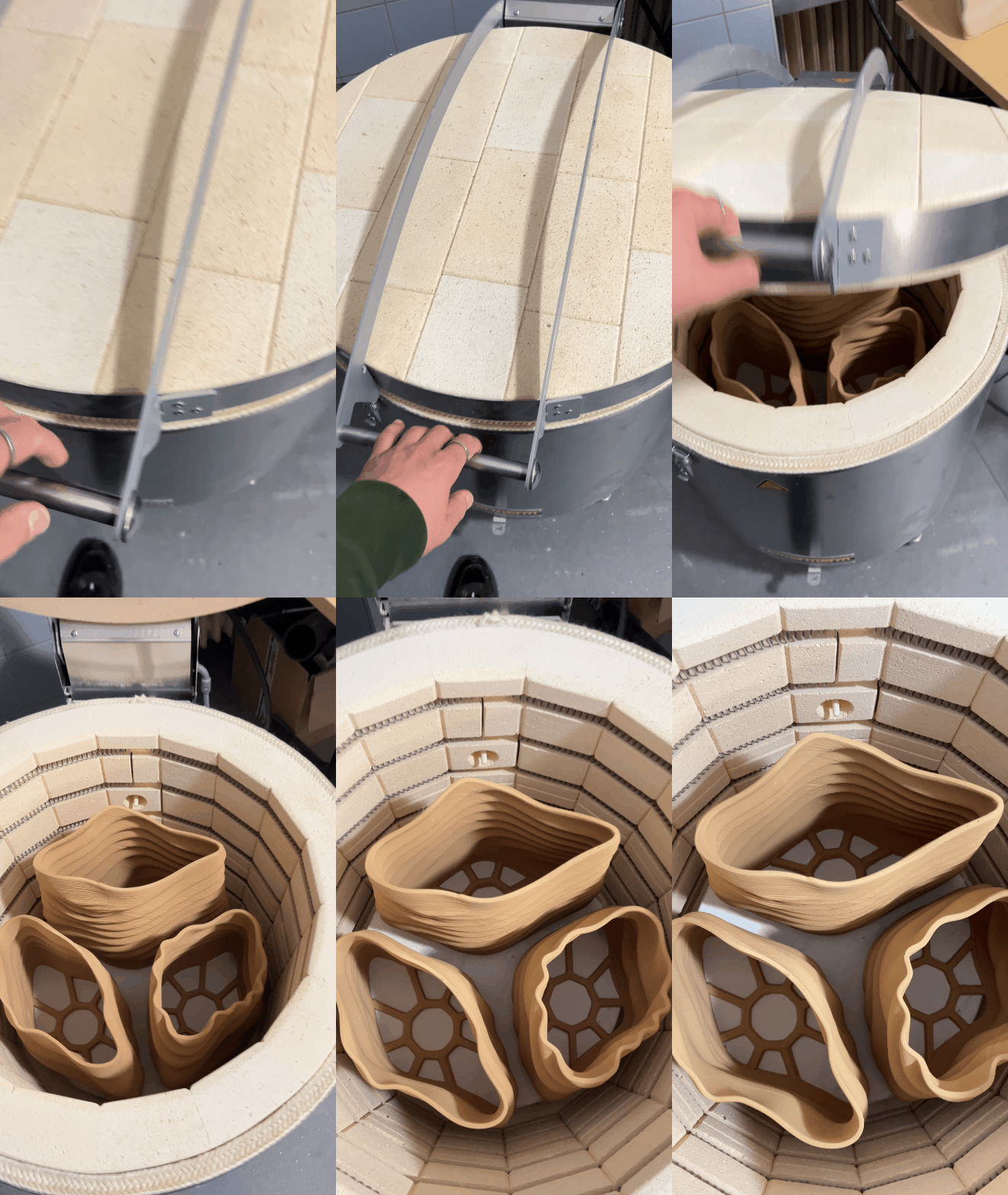
We don't use plastic filament. The process extrudes viscous clay layer by layer through direct extrusion. The piece is dried and sintered in a kiln to eliminate any organic component, obtaining dense, pure ceramic.
3. What advantages does 3D clay printing have compared to traditional techniques?
Precision: Complex shapes impossible with traditional molds
Speed: Layer-by-layer construction without mold preparation
Flexibility: Instant design changes without reactivating production
Sustainability: 100% clay, no plastics or toxic waste
4. Who is Daniel and where is the Layered Ceramics studio located?
Daniel is a product designer and artist specialized in 3D clay printing. His studio Layered Ceramics is in Berlin, Germany, focused exclusively on pasty clay without filament.
5. What type of pieces can you create at Layered Ceramics Berlin?
We can create three-dimensional ceramic pieces up to 45 cm, from decorative objects to functional components. Each piece is manufactured layer by layer with pure clay and fired to obtain dense ceramic.
6. How long does a 3D clay printing project take?
The layer-by-layer printing process depends on size, but additive manufacturing speeds up the process compared to traditional techniques. Sintering in a kiln requires additional time depending on the clay type.
7. Why does Layered Ceramics not use plastic filament?
We use pure pasty clay. This guarantees 100% ceramic pieces, more sustainable and without plastic residues after sintering.
8. Do you have more questions?
Contact the studio through info@layeredceramics.com for further information.