URNs
These urns are the first results of a research project into contemporary approaches to death, shaped by ongoing exchanges with professionals in the funerary field, who advocate for a more open, conscious, and self-determined engagement with the end of life. Their work reveals a shift from passive mourning toward active participation, where individuals are encouraged to take part in shaping their own farewell.
Within this context, funerary rituals become spaces of decision-making and expression. The deceased remains present yet without agency, and it is through the actions, words, and structures defined by others that memory and legacy are constructed.
This research frames death not as a final point, but as a transitional condition between states. Engaging with this moment introduces a heightened awareness of life, positioning death as part of its continuity rather than its interruption.
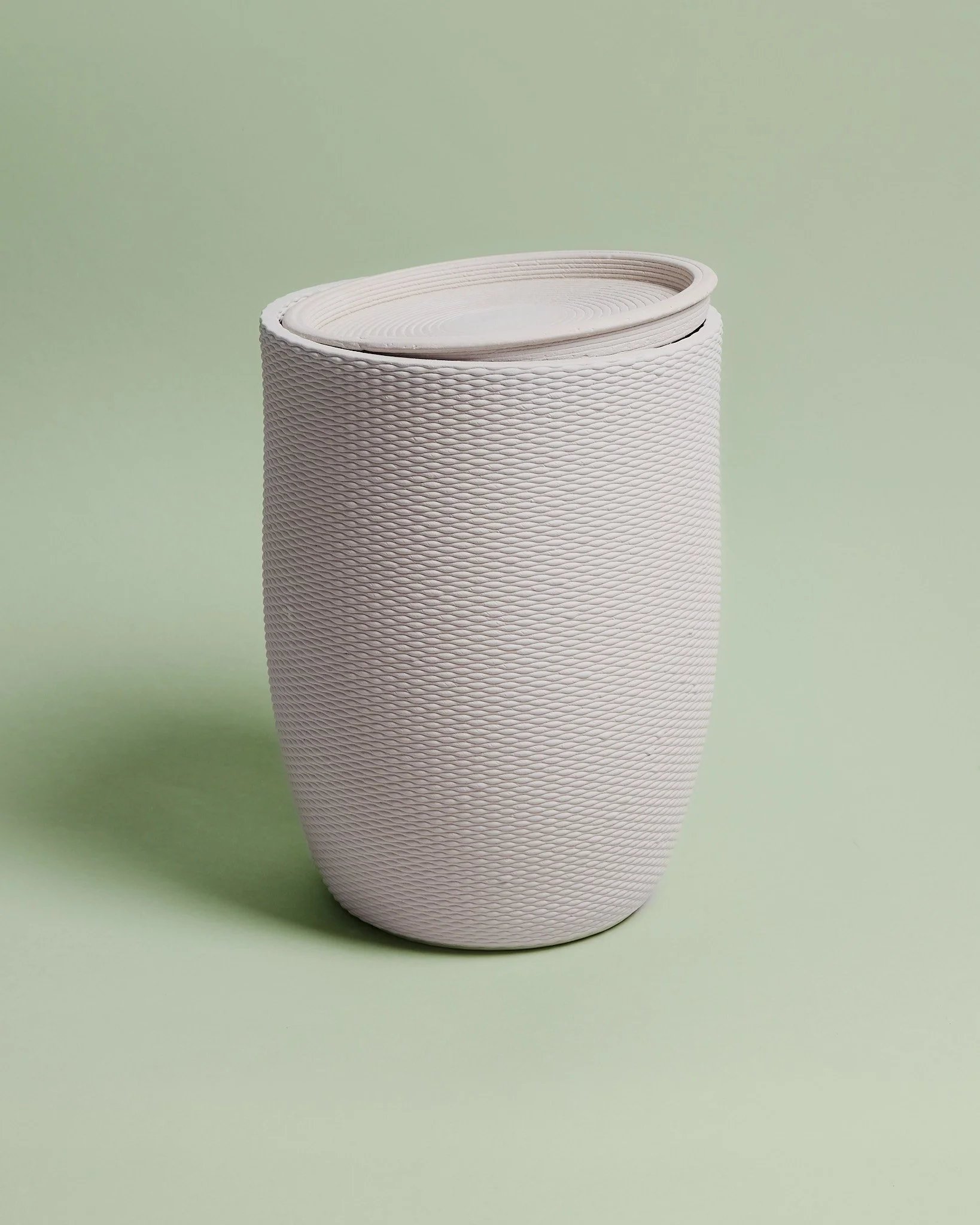
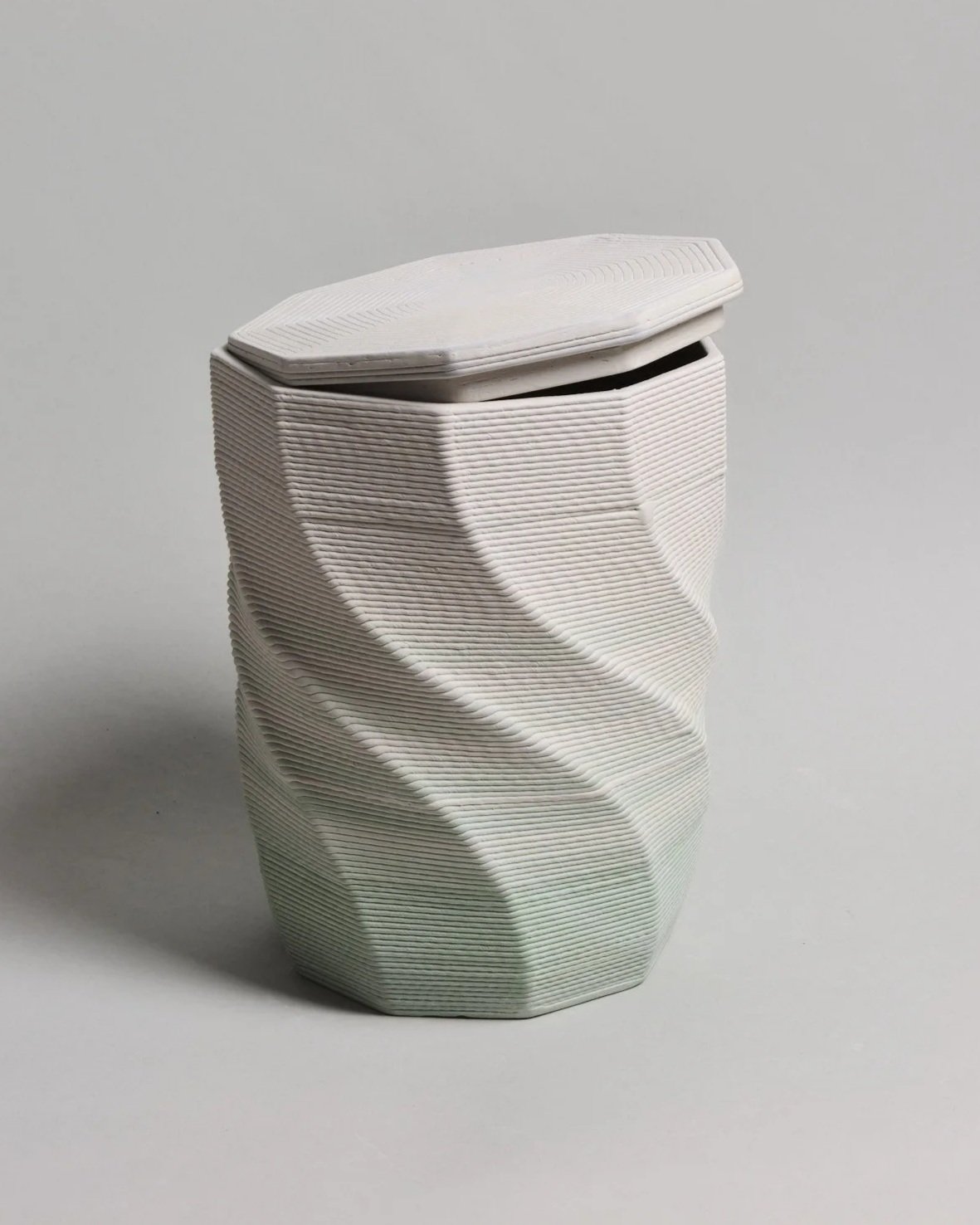
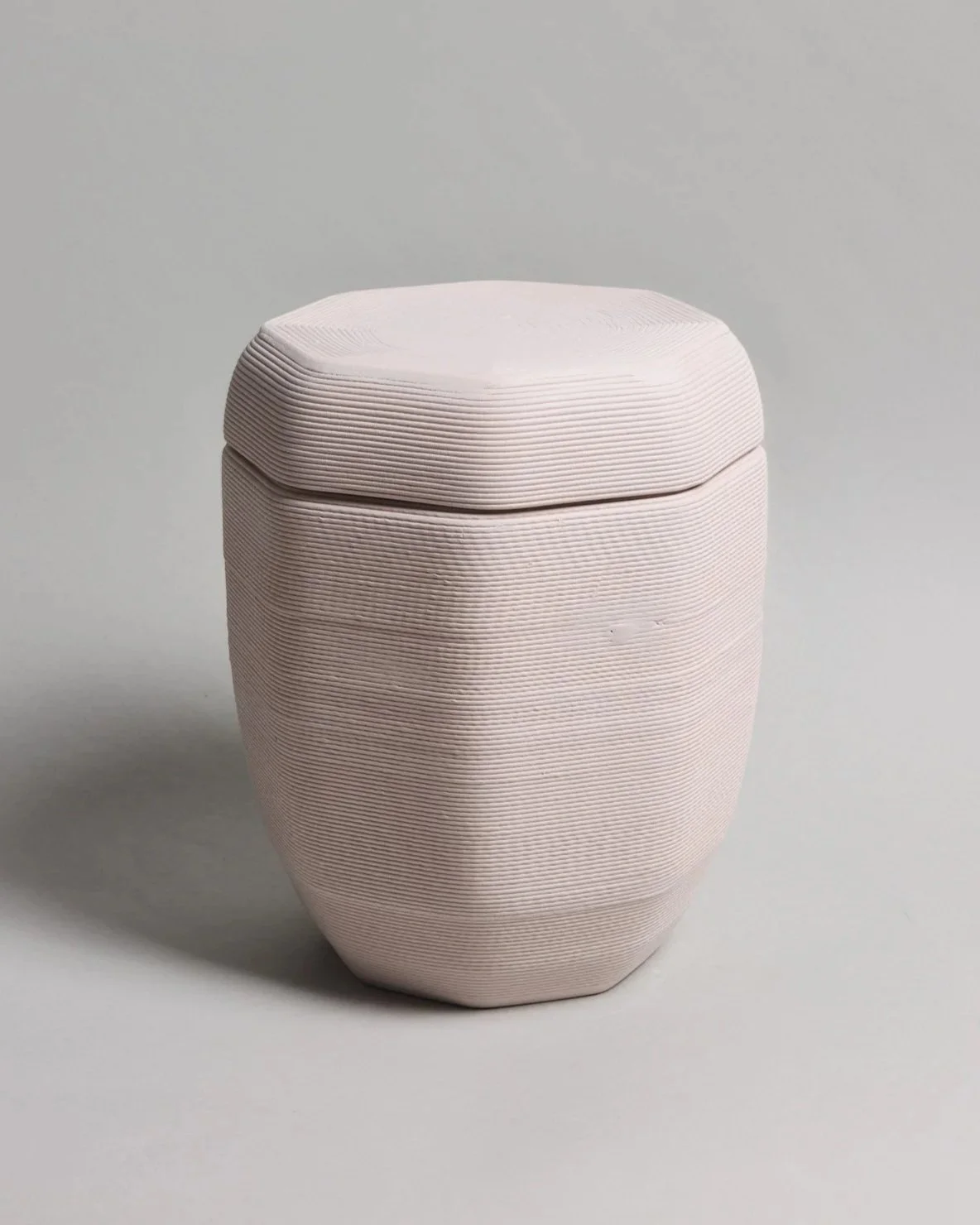
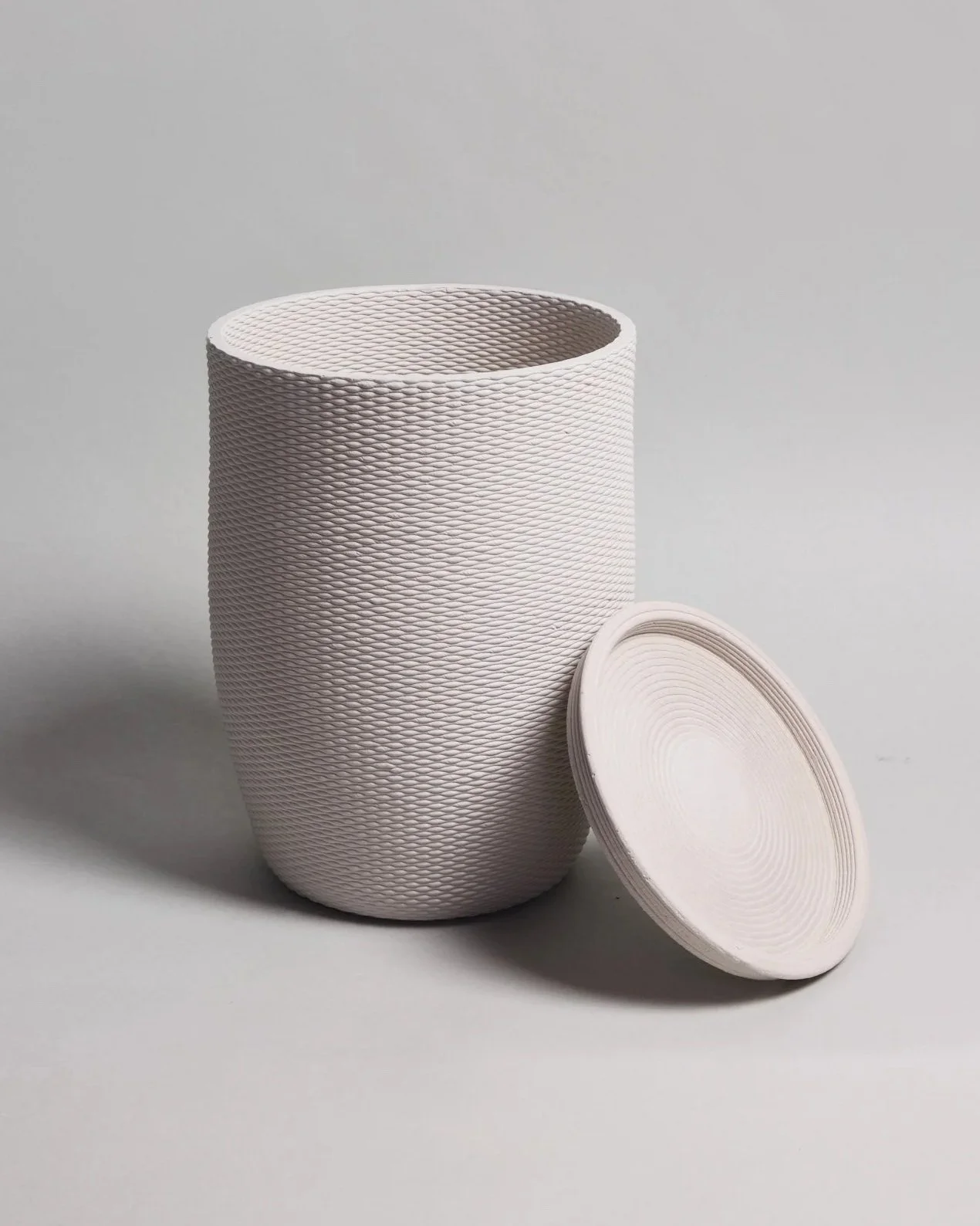
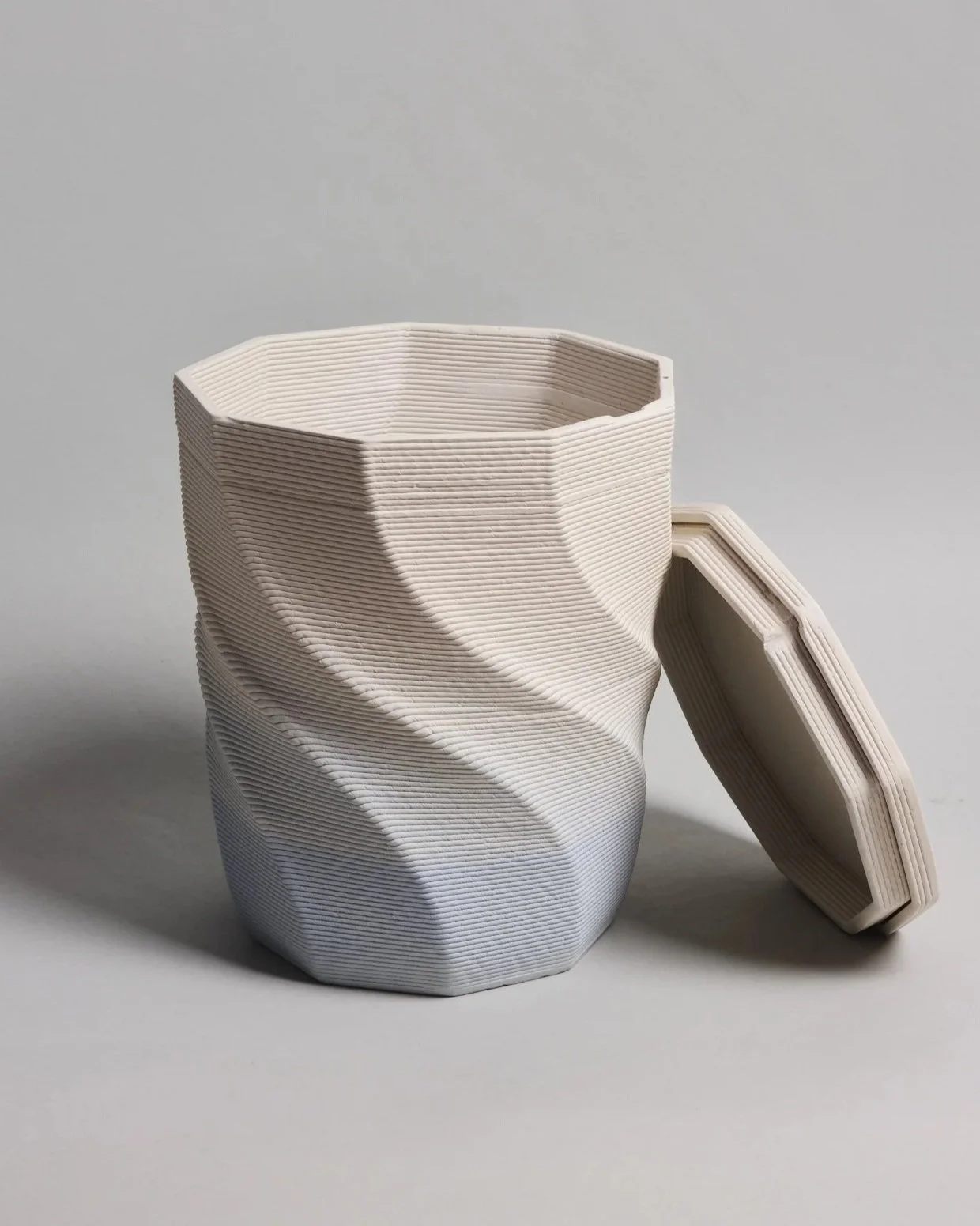
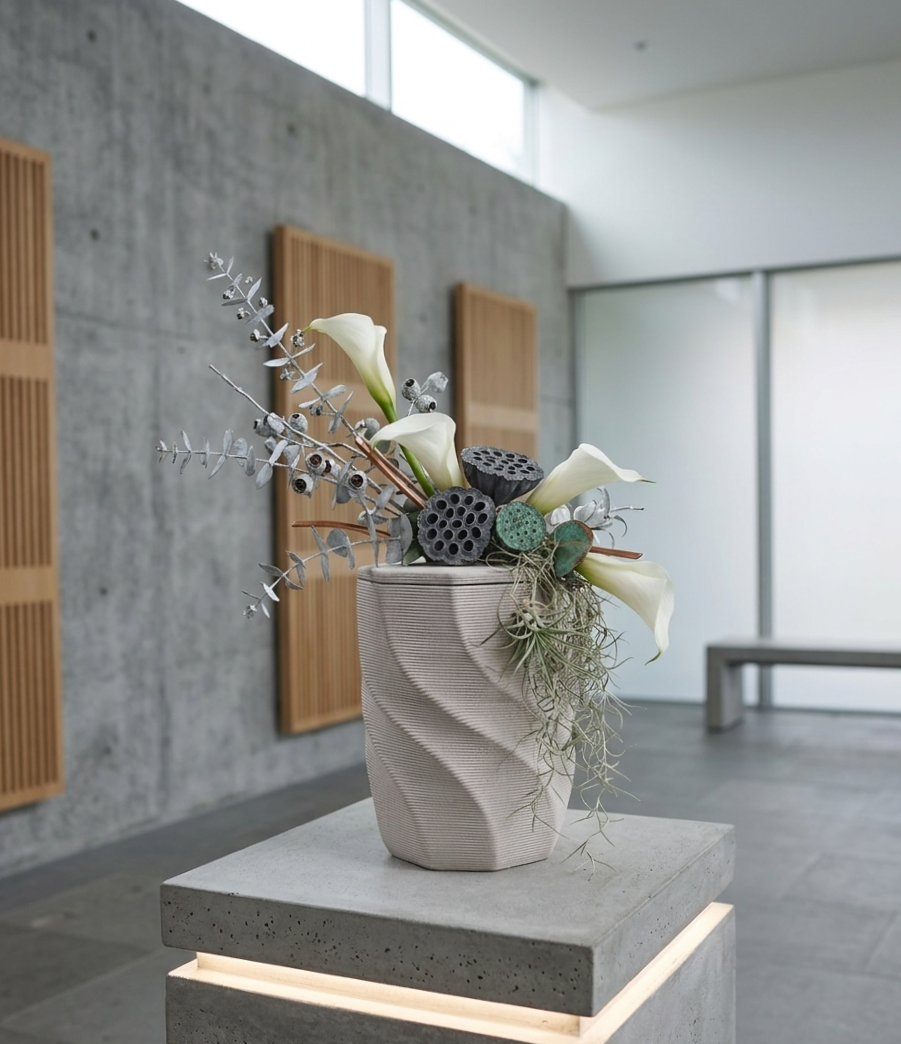
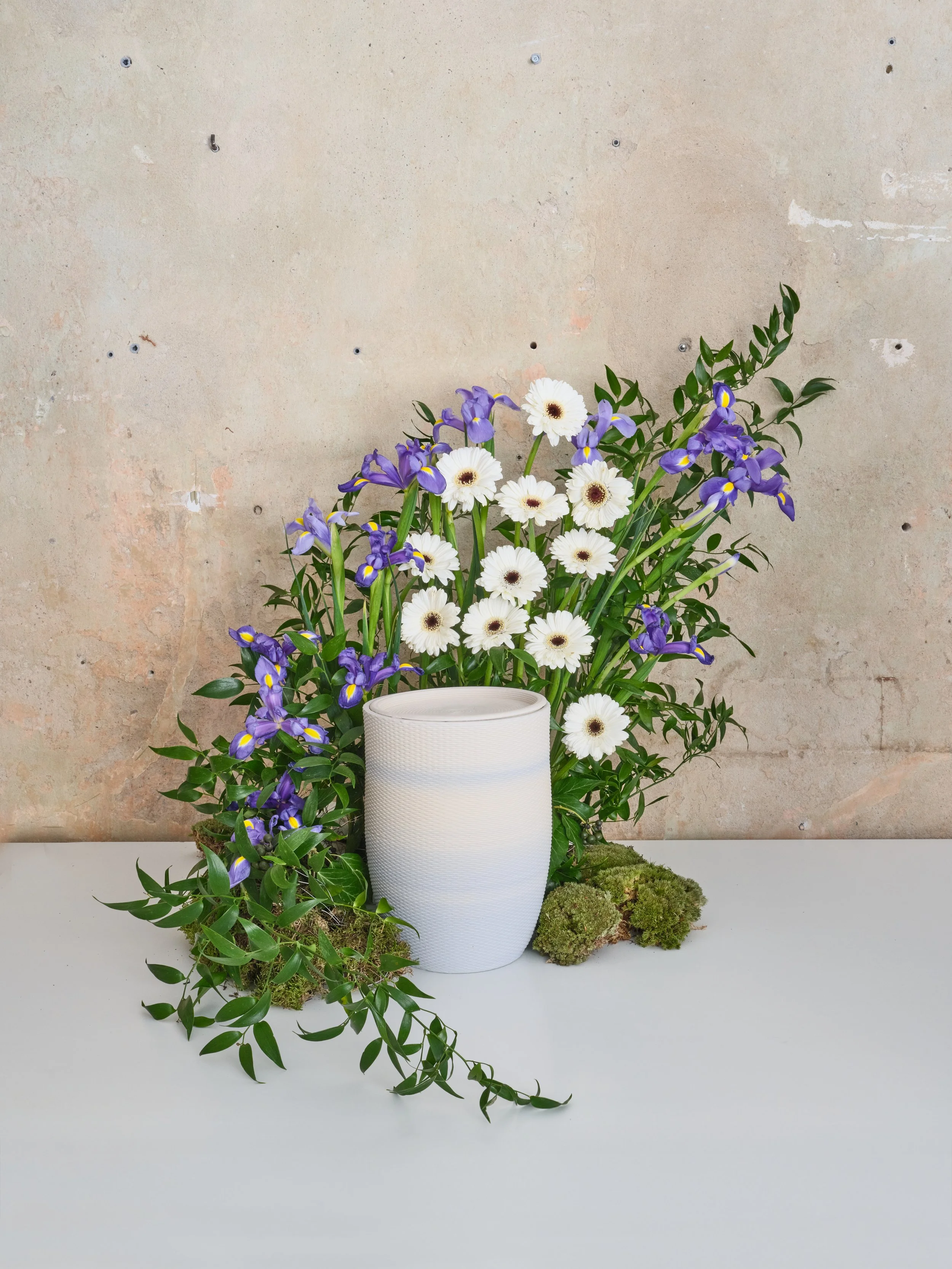
The resulting urns translate these considerations into material form. Produced in ceramic and fired at low temperatures, their porous structure allows moisture to permeate over time, supporting a gradual reintegration into the earth. The urn is therefore conceived not as a static container, but as an active element within a natural cycle of transformation.
The fabrication process enables a high level of individualization, allowing each piece to be adapted to personal narratives, preferences, and forms of remembrance. In this way, the object becomes not only a vessel, but a specific response to an individual life.